
Vanilla: benefits, recipes and gourmet tips
Behind the familiarity of vanilla lies a rare spice, derived from a tropical orchid, whose history spans civilizations and continents. Used for centuries in food, cultural and symbolic contexts, vanilla occupies a singular place between traditional know-how, botanical heritage and sensory experience. An understanding of its origins and history gives us a new appreciation of this emblematic spice, now at the heart of many contemporary culinary and sensory practices.
Vanilla: botanical origins and cultural history
Vanilla is a spice derived from the fruit of a tropical orchid, Vanilla planifolia, which originated in Mesoamerica, mainly in what is now Mexico and Central America. Long before its arrival in Europe, vanilla was cultivated and used by pre-Columbian civilizations, notably the Totonacs and then the Aztecs, who combined it with cocoa in ritual drinks reserved for the elite (Coe & Coe, 2013). At the time, it occupied a place that was at once dietary, symbolic and social.
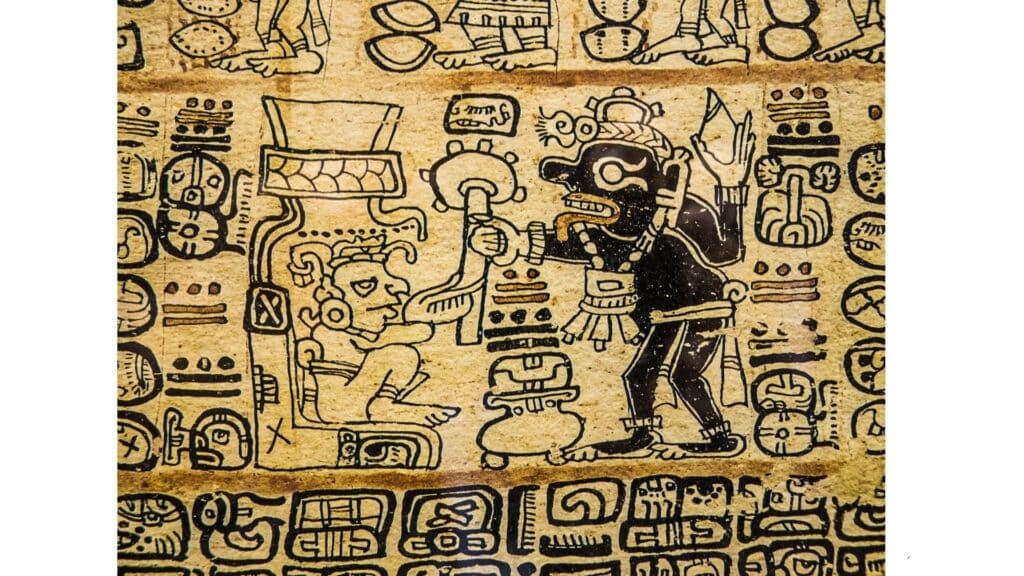
After the Spanish conquest in the XVIᵉ century, vanilla was introduced to Europe, where it gradually became a luxury ingredient prized by the royal courts. For several centuries, its cultivation remained limited to Mexico, as pollination of the orchid depended on a specific local bee. It wasn’t until the XIXᵉ century that the situation changed, when manual pollination was perfected, thanks in particular to work carried out in the Indian Ocean. This discovery enabled vanilla to take root in Madagascar, Reunion and other tropical regions over the long term, profoundly transforming its economic and cultural history (Rain, 2004).
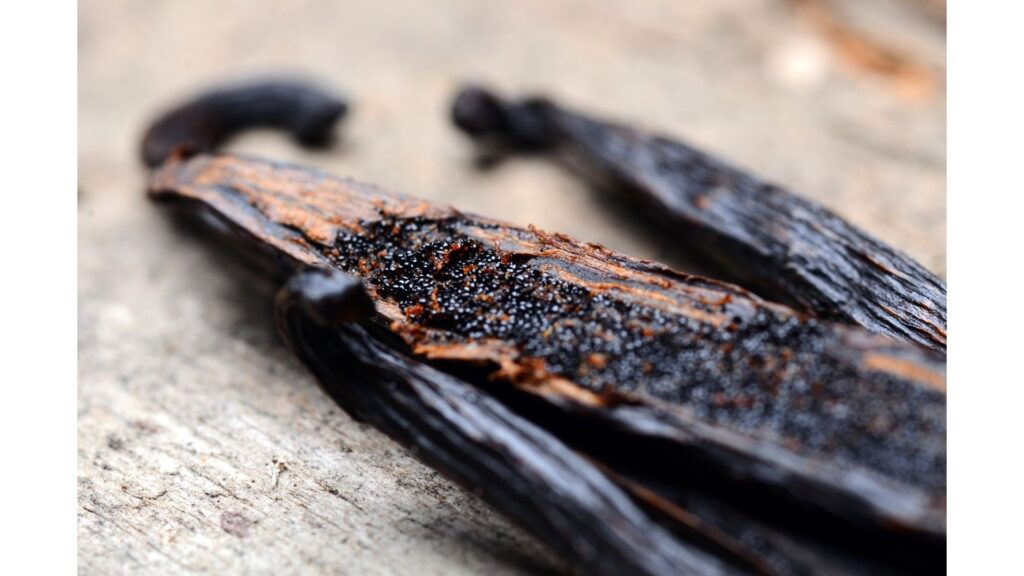
Botanically speaking, vanilla is characterized by a long and demanding transformation process: after harvesting, the beans undergo a succession of stages (scalding, steaming, drying and refining) that can last several months. It is during this process that vanillin, the main aromatic compound responsible for its characteristic fragrance, develops (Havkin-Frenkel & Belanger, 2018). This complexity explains why natural vanilla remains one of the world’s most precious spices today.
Video from Blackbox
Botanically speaking, vanilla is characterized by a long and demanding transformation process: after harvesting, the beans undergo a succession of stages (scalding, steaming, drying and refining) that can last several months. It is during this process that vanillin, the main aromatic compound responsible for its characteristic fragrance, develops (Havkin-Frenkel & Belanger, 2018). This complexity explains why natural vanilla remains one of the world’s most precious spices today.
Vanilla benefits and virtues
Warning
The nutritional and well-being information presented in this article is based on traditional practices and studies currently available. It is not a substitute for personalized medical or nutritional care. Before including any new food or supplement in your diet, always seek the advice of a healthcare professional.
1. Relaxing and anti-stress properties
Its aromatic fragrance is renowned for its soothing effects, promoting relaxation and sleep. The warm notes blend perfectly with ginger for infusions of well-being.
2. Rich in antioxidants
Vanilla contains phenolic compounds that help protect the body against oxidative stress. It effectively complements other superfoods such as turmeric or black pepper.
3. Subtlety in the kitchen
It enhances desserts, drinks and refined dishes. Combined with pink berryit creates surprising combinations of sweetness and spice.
Gourmet vanilla and banana smoothie
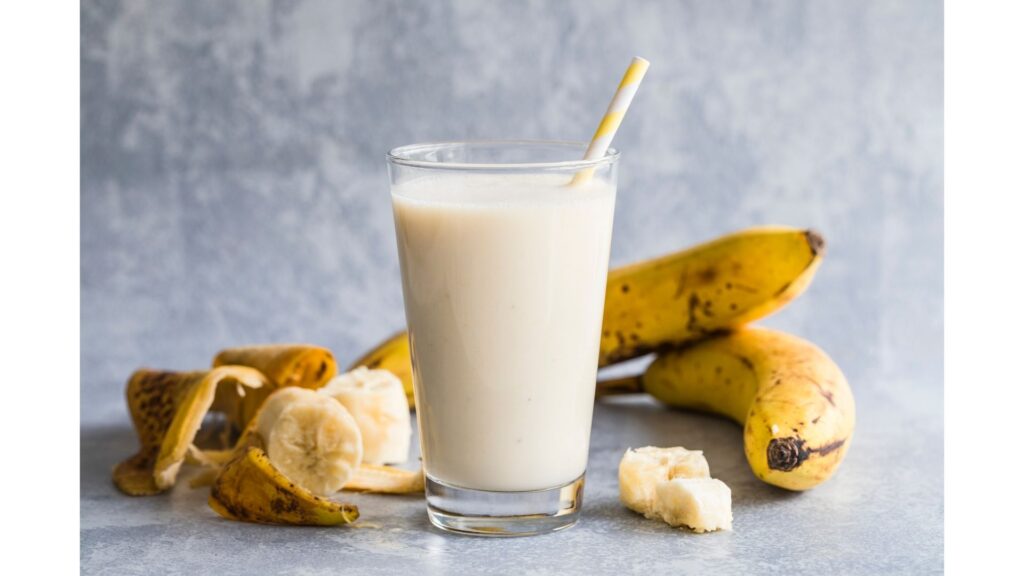
Ingredients (serves 2)
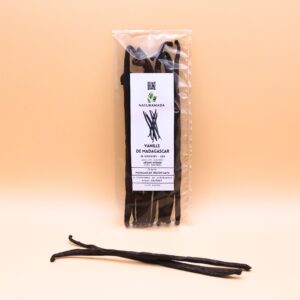
1 Madagascar Madagascar vanilla or 1 teaspoon vanilla powder
1 ripe banana
200 ml vegetable milk (almond, oat or coconut)
1/2 teaspoon ginger
1 teaspoon honey (optional)
1/2 teaspoon turmeric for an antioxidant effect
A pinch of pink berry crushed to enhance the taste
Preparation
Prepare the vanilla: split the pod and scrape out the seeds.
Blend the ingredients: in a blender, add the banana, plant milk, vanilla seeds, ginger, turmeric and honey. Blend until smooth.
Add the pink berry: sprinkle lightly over the smoothie for a subtle touch of spice and delicate fragrance.
Serve chilled: pour into a glass and enjoy immediately for all the flavours and benefits.
Benefits of this smoothie
Vanilla: relaxing and aromatic, promotes relaxation and well-being.
Ginger: stimulates digestion and energy.
Turmeric: natural antioxidant, immune system support.
Pink berry: easier digestion, spicy, refined note.
Gourmet tip
For a more gourmet version, add a few ice cubes or a spoonful of raw cocoa for a healthy, fragrant dessert smoothie.
Conclusion
Vanilla is much more than a simple aroma: it’s a spice with a remarkable history, linking pre-Columbian civilizations, modern Europe and the tropical lands of the Indian Ocean. Its rarity, the complexity of its processing and the richness of its cultural heritage explain the singular place it still occupies today in contemporary food and sensory practices.
Bibliography
Coe, S. D., & Coe, M. D. (2013). The true history of chocolate (3rd ed.). Thames & Hudson.
Havkin-Frenkel, D., & Belanger, F. C. (2018). Handbook of vanilla science and technology (2nd ed.). Wiley-Blackwell.
Rain, P. (2004). Vanilla: The cultural history of the world’s favorite flavor and fragrance. Tarcher/Penguin.
Did you like this article?
See also:
Back to blog
Discover also...
The NATURAMADA boutique
Discover our selection of spices and stones for your well-being and cooking