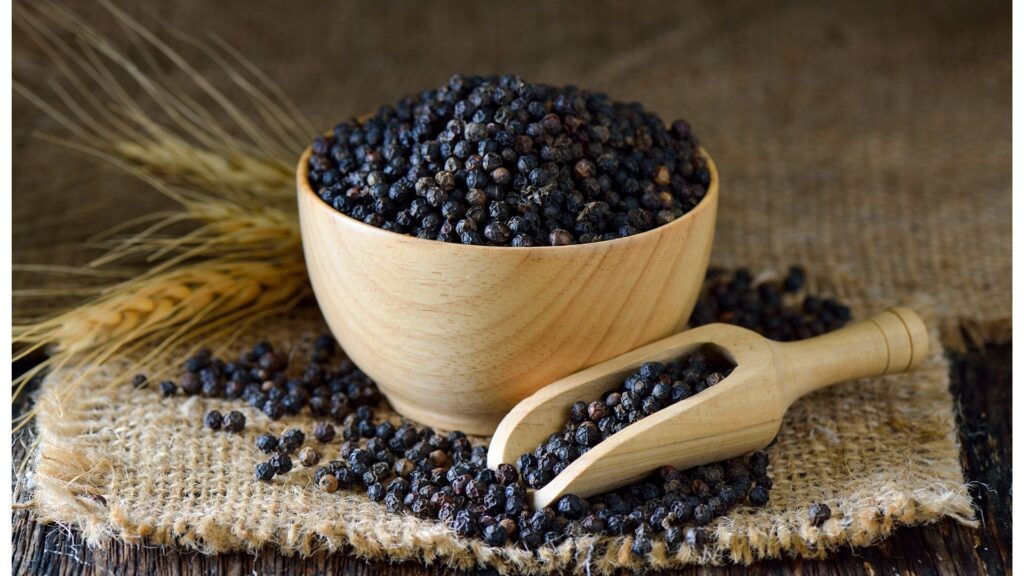
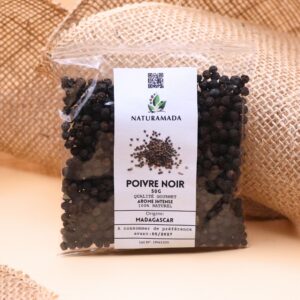
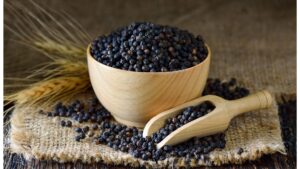
Black pepper is one of the world’s most widely used spices, known for its intense flavor and health benefits. Madagascar is renowned for producing high-quality, aromatic and refined black pepper. At Naturamada, we select Madagascar black pepper to enrich your dishes, sauces and infusions while enjoying its natural benefits.
1. Origin and history of black pepper
Latin name: Piper nigrum.
Origin: tropical regions of India and traditional cultivation in Madagascar.
History: used since Antiquity in cooking and traditional medicine. Madagascar produces an aromatic pepper, often sought after for its power and unique fragrance.
Interesting facts: black pepper is the dried fruit of the pepper plant. Its active compounds, such as piperine, give it flavor, pungency and stimulating properties for the body.
💡 Naturamada tip: Madagascar black pepper can be used whole, crushed or ground according to your recipes to fully release its aromas.
2. The benefits of black pepper
Warning The nutritional and well-being information presented in this article is based on traditional practices and studies currently available. It is not a substitute for personalized medical or nutritional care. Before including any new food or supplement in your diet, always seek the advice of a healthcare professional.
Natural antioxidant: helps protect cells against oxidative stress.
Digestive support: stimulates production of digestive enzymes and promotes transit.
Anti-inflammatory properties: contributes to general well-being.
Stimulating effect: helps improve concentration and vitality.
Better nutrient absorption: piperine enhances the absorption of certain nutrients and vitamins.
3. Culinary uses and practices
Daily seasoning: whole, cracked or ground pepper for meats, vegetables, sauces and soups.
Spice blends: combine with cinnamon, cloves or ginger for fragrant, complex dishes.
Infusions and hot drinks: add a dash of black pepper to your herbal teas or infusions for a stimulating effect.
Natural preservative: pepper helps protect certain foods and prolong their freshness.
4. Recipe: Madagascar black pepper chicken "pepper steak" style
1 tablespoon honey or maple syrup (optional, to balance spiciness)
Salt to taste
Fresh parsley for garnish
Suggested accompaniment:
Fried potatoes or homemade mashed potatoes
Steamed green vegetables (broccoli, green beans)
Preparation
Prepare the chicken: Crush the Madagascar black peppercorns in a mortar or with the back of a spoon. Lightly salt the chicken breasts and coat them generously with the crushed peppercorns on all sides.
Cooking: In a skillet, heat the olive oil and butter over medium heat. Sear the chicken breasts for 4 to 5 minutes on each side, until golden brown and cooked through. Remove and keep warm.
Prepare the pepper sauce: In the same skillet, add the thinly sliced shallot and sauté for 2 minutes. Deglaze with a splash of water or a little broth. Add the crème fraîche and a tablespoon of honey to mellow the heat.
Simmer for 3-4 minutes until thickened. Adjust seasoning if necessary.
To serve: Coat the chicken breasts with black pepper sauce. Sprinkle with chopped fresh parsley. Serve with sautéed or mashed potatoes and green vegetables.
Naturamada Tip: For an even richer scent, you can add a cinnamon stick or a clove to the sauce while it’s cooking, but pepper remains the key ingredient.
Madagascar black pepper is a versatile and precious spice, ideal for enriching your dishes and beverages while benefiting from its digestive, antioxidant and stimulating virtues. With Naturamada, discover quality Madagascar pepper to bring flavor, aroma and well-being to your daily recipes.