Ginger: Origin, benefits and uses

Picture of Maya

Maya

Wellness Editor

Often referred to as the “root of fire”, ginger is an age-old spice used both in cooking and in many wellness traditions. Appreciated for its pungent, lemony flavor, it plays a central role in Asian, African and Middle Eastern culinary practices. Today, ginger is still consumed to aid digestion, provide a feeling of warmth and support general well-being.
In this article, discover the origins of ginger, its main traditional uses, current scientific knowledge on its benefits, as well as simple ideas for incorporating it into everyday life.

Origin and characteristics of ginger

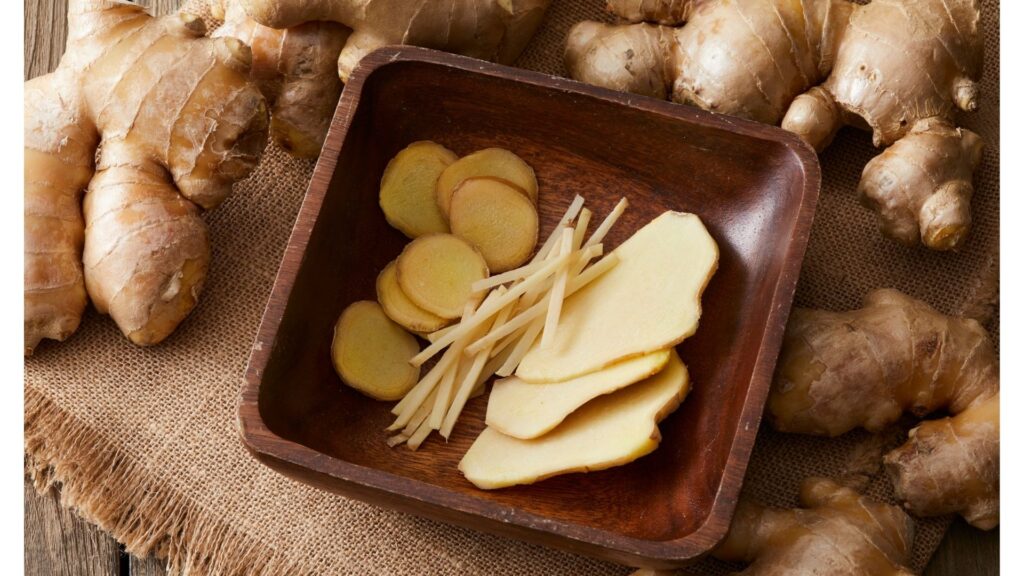
Ginger(Zingiber officinale) is a herbaceous plant native to Southeast Asia, cultivated for over 3,000 years. It is its rhizomes (often called roots) that are used, fresh or dried, then ground into powder.
Its characteristic taste and sensation of heat are due to bioactive compounds, notably gingerols and shogaols, which have been the subject of much scientific research (Semwal et al., 2015).

Ginger is traditionally used in Ayurvedic and Chinese medicine to support digestion, accompany periods of fatigue and promotegeneral balance in the body.

Benefits and virtues of ginger

Warning
The nutritional and well-being information presented in this article is based on traditional uses and studies available to date. They are not a substitute for personalized medical or nutritional care. Before incorporating a new food or supplement into your diet, always seek the advice of a healthcare professional.

1. Supports digestion

Ginger is traditionally used to aid digestion and relieve mild digestive discomfort. Studies show that it can stimulate gastrointestinal motility, helping to reduce feelings of heaviness after meals (Hu et al., 2011). It is also well documented for its use against nausea, particularly related to transport.

2. Anti-inflammatory and antioxidant properties

The gingerols present in ginger are associated with anti-inflammatory and antioxidant effects, observed in several scientific reviews (Ballester et al.; 2022). These properties partly explain why ginger is consumed as part of a balanced diet aimed at supporting general well-being.

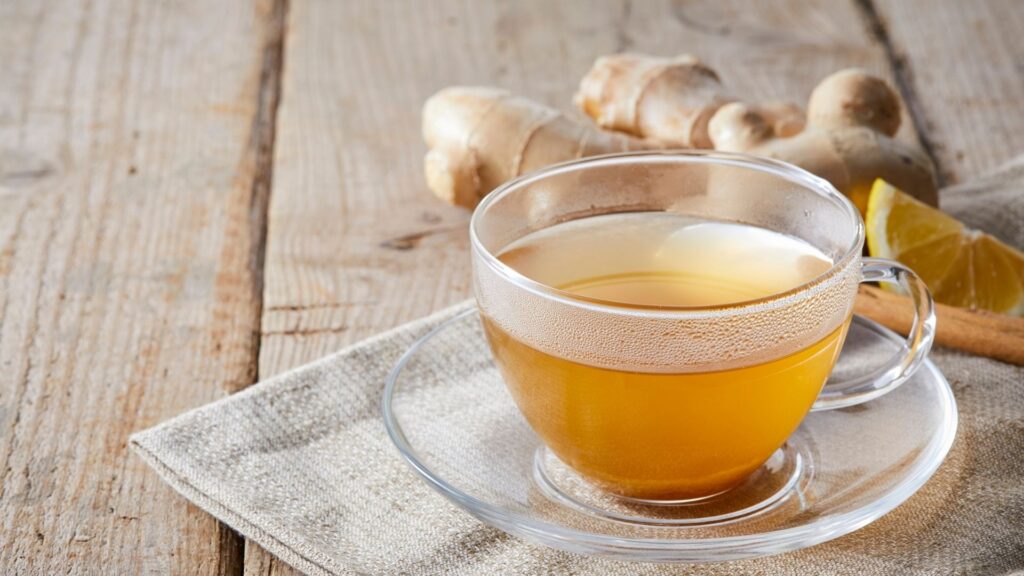
Detox Recipe: Ginger, Lemon and Honey Infusion

Ingredients (for 2 cups)

  • 2 teaspoons ginger powder
  • ½ organic lemon
  • 2 teaspoons honey (preferably raw and unpasteurized)
  • 500 ml water

Preparation

Bring the water to the boil in a saucepan, then add the ginger powder and lemon juice. Sweeten with honey to taste.

Tips & Variants

Add a pinch of turmeric for a stronger anti-inflammatory effect. For a spicier drink, increase the amount of ginger or leave to infuse longer.

In summer, let cool and serve with ice cubes for a refreshing version.

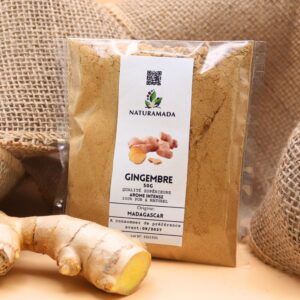
-> Discover our ginger ginger

Conclusion

Ginger is a versatile superfood that combines taste and health benefits. It’s an ancestral ingredient, appreciated for its sensory richness, its place in culinary traditions and its role in wellness applications.

Bibliography

Ballester, P., Cerdá, B., Arcusa, R., Marhuenda, J., Yamedjeu, K., & Zafrilla, P. (2022). Effect of Ginger on Inflammatory Diseases. Molecules (Basel, Switzerland), 27(21), 7223. https://doi.org/10.3390/molecules27217223

Hu, M. L., Rayner, C. K., Wu, K. L., Chuah, S. K., Tai, W. C., Chou, Y. P., & Horowitz, M. (2011). Effect of ginger on gastric motility and symptoms of functional dyspepsia. World Journal of Gastroenterology, 17(1), 105-110. https://doi.org/10.3748/wjg.v17.i1.105

Semwal, R. B., Semwal, D. K., Combrinck, S., & Viljoen, A. M. (2015). Gingerols and shogaols: Important nutraceutical principles from ginger. Phytochemistry, 117, 554-568. https://doi.org/10.1016/j.phytochem.2015.07.012

Back to blog

Scroll to Top