 Delivery time approx. 3-5 working days
 Tracking number
 Secure payment
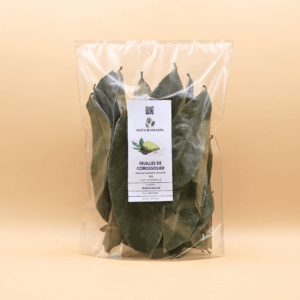
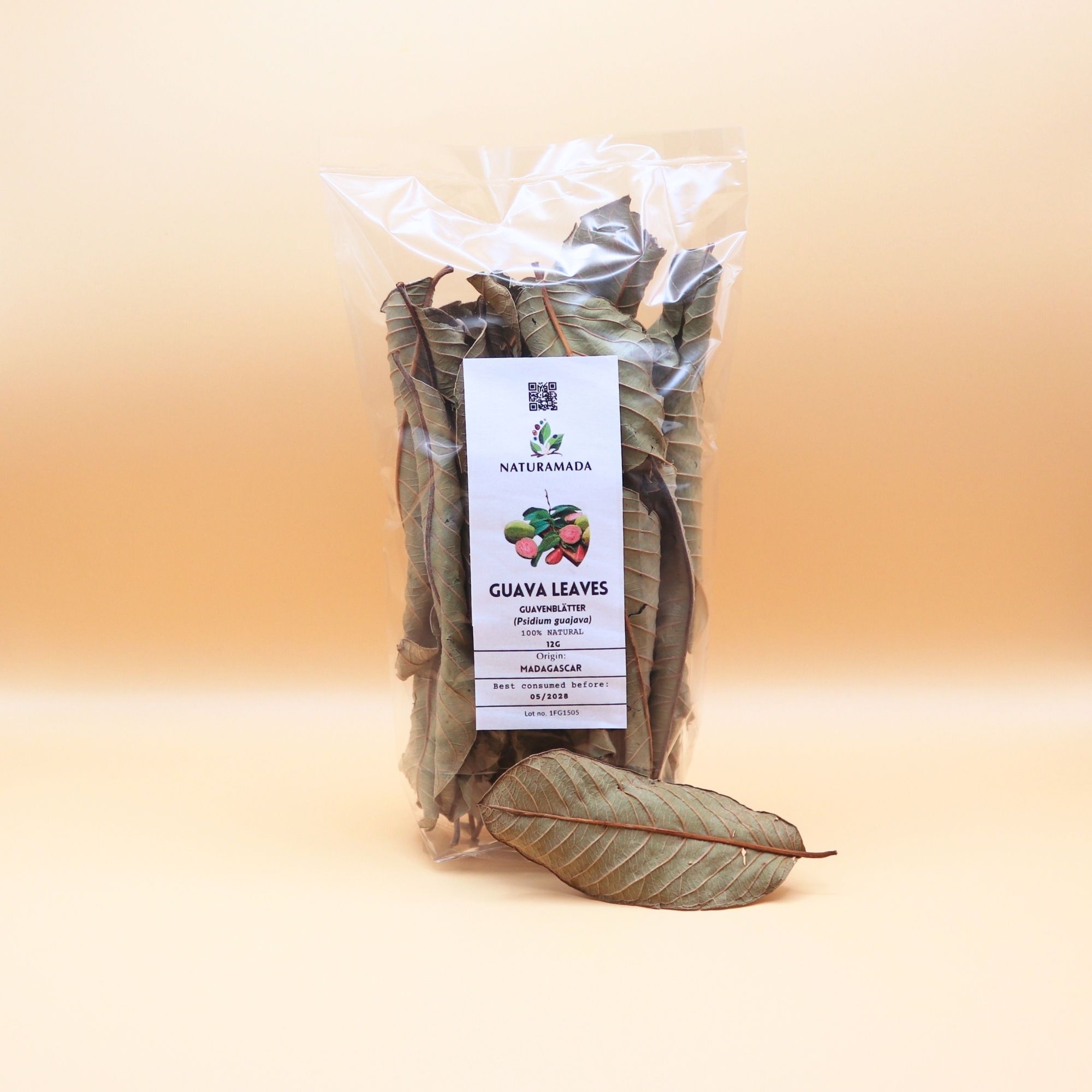
Guava Leaves – Psidium guajava
The guava tree is an emblematic tropical tree. It belongs to the Myrtaceae family. Originally from Central America, it has since spread to all tropical regions of the world. Today, it can be found in Madagascar. This is where we harvest the leaves by hand. Dried naturally in the shade, they retain their sweet, slightly fruity, fresh fragrance. However, this aromatic plant is still little-known in Western cuisine. Yet it deserves a special place in the kitchen.
Why choose guava leaves?
The guava is a much-loved fruit the world over. However, its leaves are often overlooked. Yet they are a little treasure that has been used for centuries. In many tropical cultures, they are prepared as an infusion. They also play an important role in traditional rituals. So choosing these leaves also means reconnecting with an ancient culinary and cultural heritage.
How to use guava leaves in cooking
Guava leaves are little-known in the kitchen. However, they do have their place in some traditional dishes. Their taste remains very discreet and subtle.
In Cuba and Mexico, the leaves are used to flavour barbecues. They are burned slowly over the embers. The result is a very light, natural smoky aroma.
In the Philippines, the leaves play another role. They are used to wrap rice before cooking. This method gives the rice a light herbaceous flavor.
In Creole cuisine on Reunion Island, they are also used to accompany traditional dishes. In particular, they are used in homemade stews and broths. As a result, they remain an ingredient firmly rooted in the islands’ culinary heritage.
Guava leaf infusion and decoction
Beyond cooking, guava leaves are mainly used in infusions. Indeed, this is their most widespread use worldwide.
In Latin America, this infusion has been prepared for generations. In Brazil, it is called chá de goiabeira. It is therefore an integral part of everyday culture.
In Japan, guava leaf has even gained official recognition. It is one of the three main herbal teas on the island of Okinawa. In this region, it is known as guaba cha. It has been consumed regularly for a very long time.
In India and China, the leaves have also been used for centuries. In these cultures, they are traditionally prepared as a decoction. They have also been recommended in Southeast Asia for generations.
Product information
-
Botanical name: Psidium guajava
-
Origin: Madagascar
-
Whole leaves, naturally dried
-
Packaged in France
FAQ – Guava leaves
What do guava leaves taste like in infusion?
Guava leaves provide a sweet, herbal infusion, with slightly herbaceous, fresh notes. Their flavor remains discreet and pleasant, allowing them to be enjoyed on their own or in combination with other aromatic plants such as lemongrass, ginger, lemon balm, etc. ginger or mint.
How do I prepare an infusion of guava leaves?
We recommend using 1 to 2 leaves per cup of hot water (250 ml). Pour simmering water over the leaves and leave to infuse for between 5 and 7 minutes, depending on the desired intensity. Leaves can also be used as a decoction, boiling for a few minutes to obtain a more concentrated infusion. As with any plant used as an infusion, it is advisable to seek the advice of a health professional before regular or prolonged consumption.
Can guava leaves be used as anything other than an herbal tea?
Yes, in some traditional cuisines, guava leaves are used to flavor stews, broths or rice. They can also be used to flavour grilled meats by being placed on the coals, adding a subtle vegetal fragrance to the food.
Are guava leaves natural and harvested by hand?
Yes, the leaves are harvested by hand and then dried naturally to preserve their aromas. This slow drying process preserves the plant’s sensory qualities while respecting traditional preparation methods.
How to store guava leaves?
We recommend storing leaves in a dry place, away from light and humidity, ideally in a sealed bag or jar. Proper storage helps preserve their fragrance and aromatic quality for longer.