Turmeric: Benefits, Uses and Recipes

Picture of Maya

Maya

Naturamada Editor

Known as “Indian gold”, turmeric is an age-old spice with many virtues. Used in cooking as well as in Ayurveda, this superfood is appreciated for its antioxidant, anti-inflammatory and digestive properties. It can be found in traditional recipes, from Indian curries to modern wellness drinks such as the famous golden latte.

Origin and characteristics of turmeric

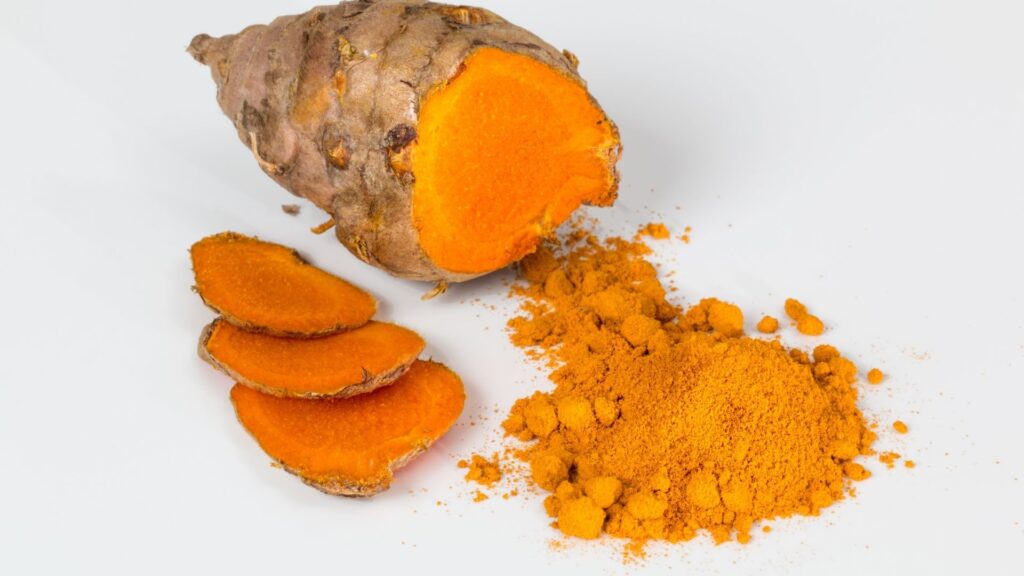
Turmeric(Curcuma longa), sometimes called “turmeric”, is a perennial herbaceous plant of the Zingiberaceae family that has been cultivated for millennia in Southeast Asia, particularly in India, where it is used as a spice, food coloring and cultural ingredient (Britannica, 2025; PubMed, 2025).

Its yellow-orange rhizome, dried and ground to powder, is used in curries and is responsible for its intense color, which is due to the curcuminoids of which curcumin is the main bioactive compound (NCCIH, 2025; ).

Historically, it has been documented in traditional practices such asAyurveda, Chinese medicine and other Asian traditions to accompany digestion, food rituals or as a sacred color in certain ceremonies (PubMed, 2025).

Benefits and virtues of turmeric

Warning
The nutritional and well-being information presented in this article is based on traditional uses and studies available to date. They are not a substitute for personalized medical or nutritional care. Before incorporating a new food or supplement into your diet, always seek the advice of a healthcare professional.

1. A natural anti-inflammatory and antioxidant

Curcumin is renowned for its anti-inflammatory effects. Regular consumption of turmeric can help relieve joint, muscle and chronic inflammation-related pain. Studies have shown that curcumin, the main compound in turmeric, can reduce certain markers of inflammation and oxidative stress (such as C-reactive protein, TNF-α and IL-6) and enhanceantioxidant activity (Dehzad & al., 2023).

Thanks to its antioxidant properties, turmeric protects cells against oxidative stress and premature aging. Combined with black pepper (piperine), its absorption is enhanced (Shoba et al., 1998). This trick, long used in traditional cooking and recipes, makes the most of the spice in a simple, natural way.

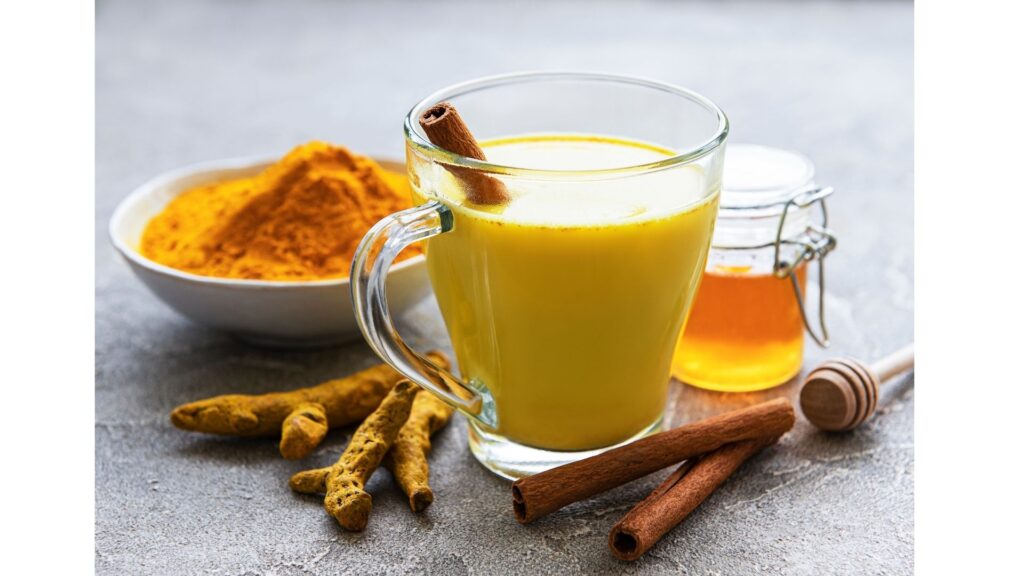
→ Example: a golden latte with turmeric, black pepper and a little ginger maximizes the flavor and bioavailability of curcumin.

2. Digestive support

Turmeric is traditionally used in many ancient cuisines and medicines, includingAyurveda, to stimulate digestion and soothe the stomach. Scientific studies show that curcumin can promote bile secretion, improve digestive motility and help reduce mild digestive discomforts, such as bloating or feeling heavy after a meal (Flanagan et al., 2021).

3. An immune ally

Rich in nutrients, turmeric also helps strengthen the body’s natural defenses. Recent research indicates that curcumin, its main active compound, can modulate certain immune responses, notably by influencing cellular markers linked to inflammation and natural defenses. These effects have been observed mainly in experimental models, suggesting that the spice, in combination with a balanced diet and healthy lifestyle habits, could support overall well-being (Hewlings & Kalman, 2017).

How to use turmeric on a daily basis

  • For cooking: curries, sauces, marinades, soups, rice or sautéed vegetables.

  • As a wellness drink: golden latte with hot milk, honey, ginger and black pepper.

  • As a supplement: powder, capsules or concentrated extracts to enrich your diet.

Easy recipe with turmeric: Golden Latte

Ingredients (1 cup):

Preparation:

First heat the milk gently in a saucepan, then add the spices and whisk until smooth. Finally, sweeten with honey and enjoy hot.

🌿 Discover our Naturamada selections: explore our stones, spices and superfoods carefully selected for their symbolic and sensory qualities.

Conclusion

Turmeric is much more than just a spice: it’s a superfood that’s been used for thousands of years, combining flavor, traditional rituals and sensory richness. Easy to incorporate into your daily routine, whether in dishes, drinks or supplements, it is a precious natural ally for boosting vitality and well-being.

Bibliography

Dehzad, M. J., Ghalandari, H., Nouri, M., & Askarpour, M. (2023). Antioxidant and anti-inflammatory effects of curcumin/turmeric supplementation in adults: A GRADE-assessed systematic review and dose-response meta-analysis of randomized controlled trials. Cytokine, 164, 156144. https://doi.org/10.1016/j.cyto.2023.156144

Hewlings, S. J., & Kalman, D. S. (2017). Curcumin: A review of its’ effects on human health. Foods, 6(10), 92. https://doi.org/10.3390/foods6100092

Lopresti, A. L., Smith, S. J., Rea, A., & Michel, S. (2021). Efficacy of a curcumin extract (Curcugen™) on gastrointestinal symptoms and intestinal microbiota in adults with self-reported digestive complaints: a randomised, double-blind, placebo-controlled study. BMC complementary medicine and therapies, 21(1), 40. https://doi.org/10.1186/s12906-021-03220-6

Shoba, G., Joy, D., Joseph, T., Majeed, M., Rajendran, R., & Srinivas, P. S. (1998). Influence of piperine on the pharmacokinetics of curcumin in animals and human volunteers. Planta Medica, 64(4), 353-356. https://pubmed.ncbi.nlm.nih.gov/9619120/

Back to blog

Scroll to Top